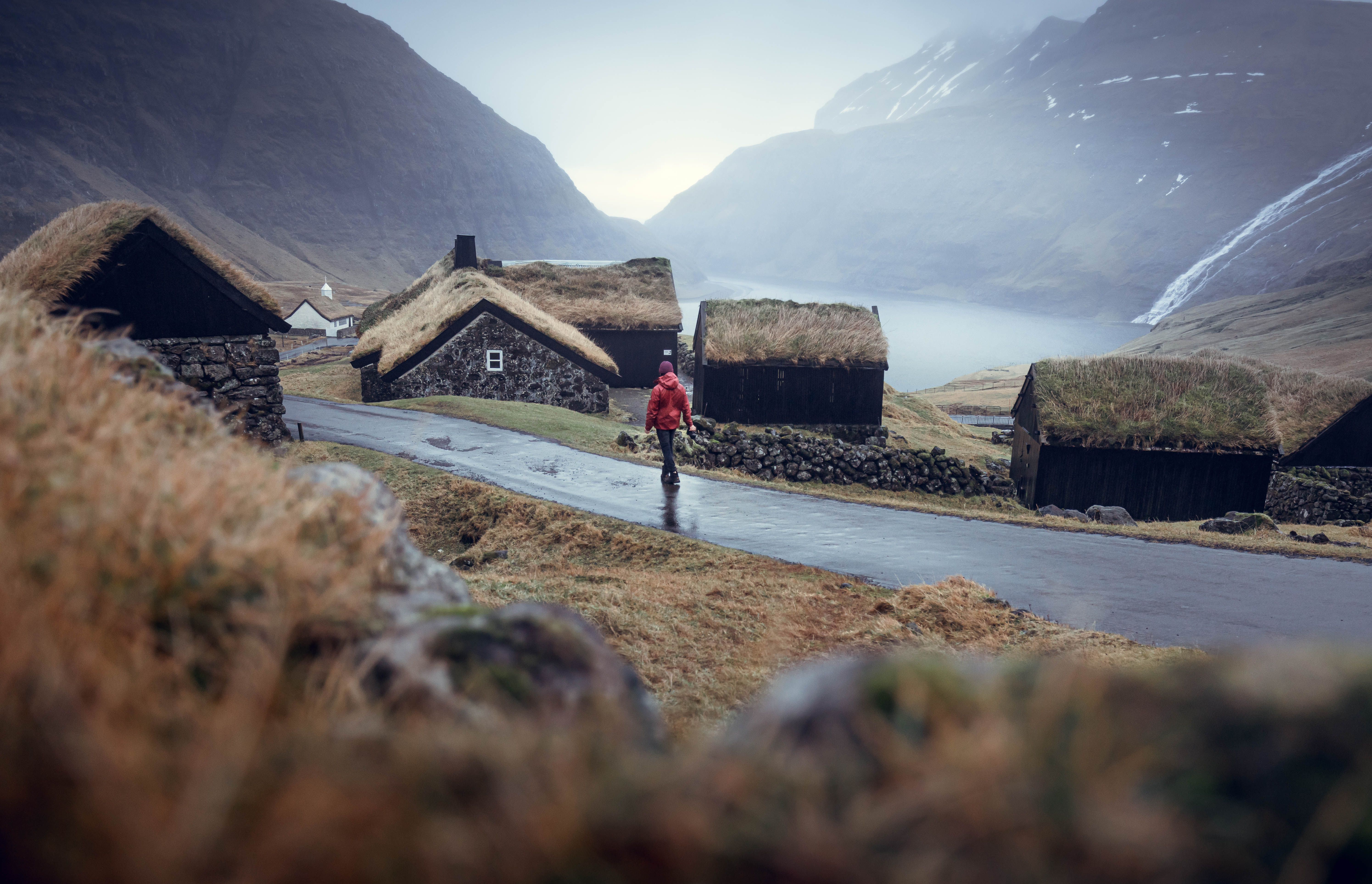
I experience again and again that people on Instagram see something like a professional photographer in me, but I neither earn money with my photography nor is photography part of my everyday life. I personally see too many mistakes in my photos.
The reality is that in my daily life I work in a Kindergarten and at the moment I spend most of my time at home. At home in Germany I actually never take photos. This is not even the fault of the current lockdown or the Covid19 virus, photography in Germany just doesn’t move me.
I live in a flat, overpopulated area. I don’t really find anything here that touches my photographic heart. I have lost my heart to Northern Europe. To the people there, the culture and the landscape.
I’ve only really been photographing for 2 years and only when I’m traveling. In reality, this means that I photograph four-five weeks a year and the remaining 47 weeks my camera collects dust on the shelf. From there I see myself still as a somewhat advanced beginner.
After a trip, I usually view and edit the photos I took on those trips during a period of several months. It is not uncommon that I edit the same photos several times – I think about what I like and what I don’t like, I think about what I could do differently next time.
My photography has changed and improved from trip to trip, even though I don’t have a routine and usually take a break for several months. On each new trip, I did something different and on each new trip, I tried new techniques.
In the implementation of new things, I usually had luck on my side. When I think about trying something new, I usually do it on a trip. I don’t practice it beforehand in Germany in peace.

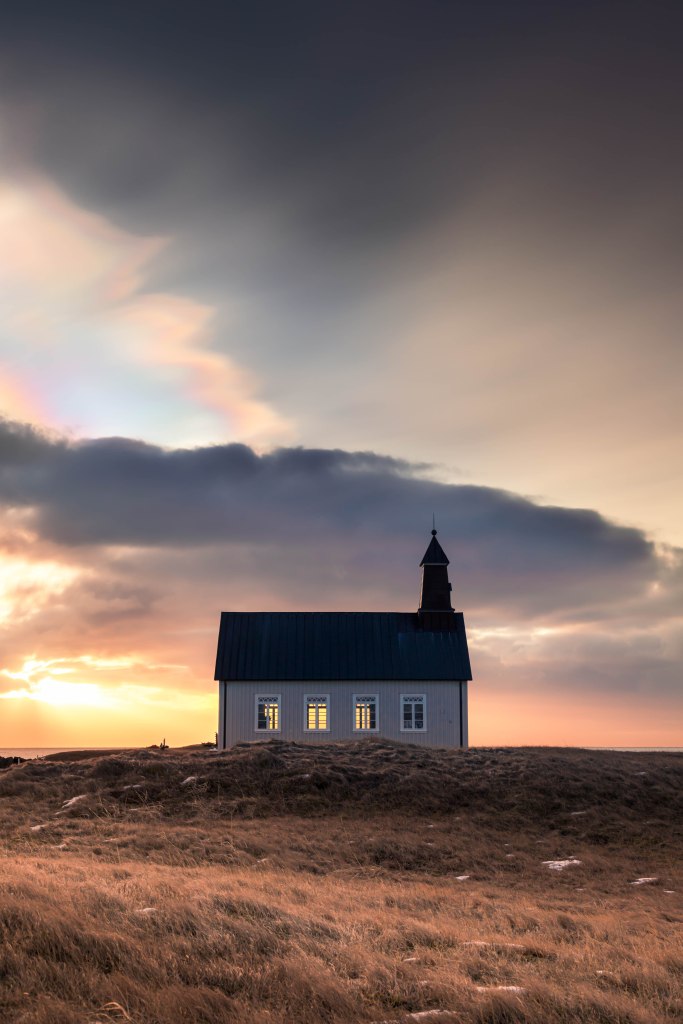
As I mentioned in the first article, I am a very wistful and melancholic person. I seek to reflect this in my photography. I look for motifs that are characterised by melancholy and Wehmut, motifs that are often an idealistic and romantic image of the past. I usually try to tell a story and to reflect feelings. I try to take photos that move between reality and dream, nature and its appearances serve as a representation of feelings.
The human being itself plays a lesser role in my photography. When I depict a person in my photos, they are usually very small, genderless and only dimly recognisable. I do not want to depict anyone in particular, I would like to reduce them alone on the „human being“ to be.
They appear mostly individually, but are often the center of the photo. They are the center of their subjective world and the event takes place around them. I usually depict the human being as a part of the world, whereby they always play a subordinate role in comparison to the nature that surrounds them. I like to show the contrast between the individual and the size of the world around them.


Then one day an important person entered my life and things changed for the better. The days had more light again and my purse had more content.
In the summer of 2017 we cycled for 2 weeks together through the Netherlands. We cycled from Amsterdam via Haarlem towards the west. As we were riding along a long road in Zandvoort. I knew that at the end of this road I would find something I had not seen for a long time. At the end of the road was the big, wide sea and it didn’t take long until the first wave washed around my feet. We spent the next few days at the sea, sitting on the dunes in the evening with the gas stove, cooking our own food and watching the sunset. How much I enjoyed the moments when there was only a small red shimmer on the horizon, the sun was setting and we were walking along the beach through the water. I often listened to the soundtrack of the film „Gran Torino“, which perfectly matched my mood.
It may sound strange but I am often melancholic. Since my childhood I have had this diffuse feeling of sadness – the sadness about the inadequacy of the world. I am not an unhappy person but I am probably happy when I am melancholic. In my opinion, melancholy also contains a motivation and an inspiration that people have always processed in the form of art. I like books where the hero dies in the end. I like the view back into the past. I like melancholic music. I like the art of romance. I like the original, the wild, the mystical. This is where my fascination for the sea comes from, for the power behind it. For rough and rugged mountains. For the view into the stars. I like an original, almost mystical picture of the world, a romantic picture of times past. I try to find that in my photography and that’s what I have been painting on paper since my childhood. I like the sad in the beautiful.
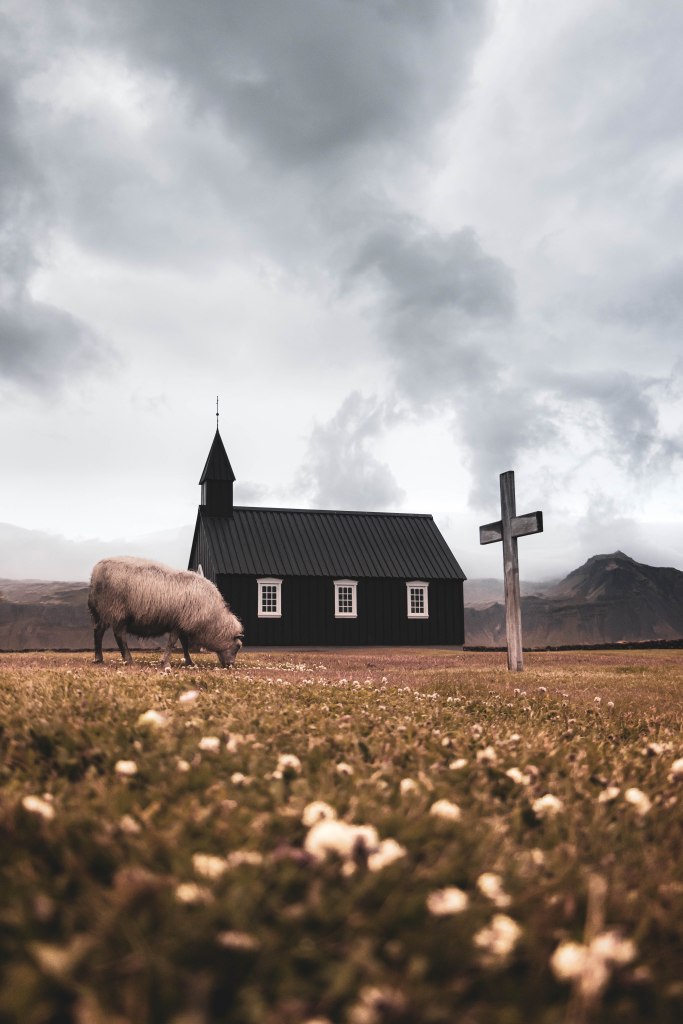
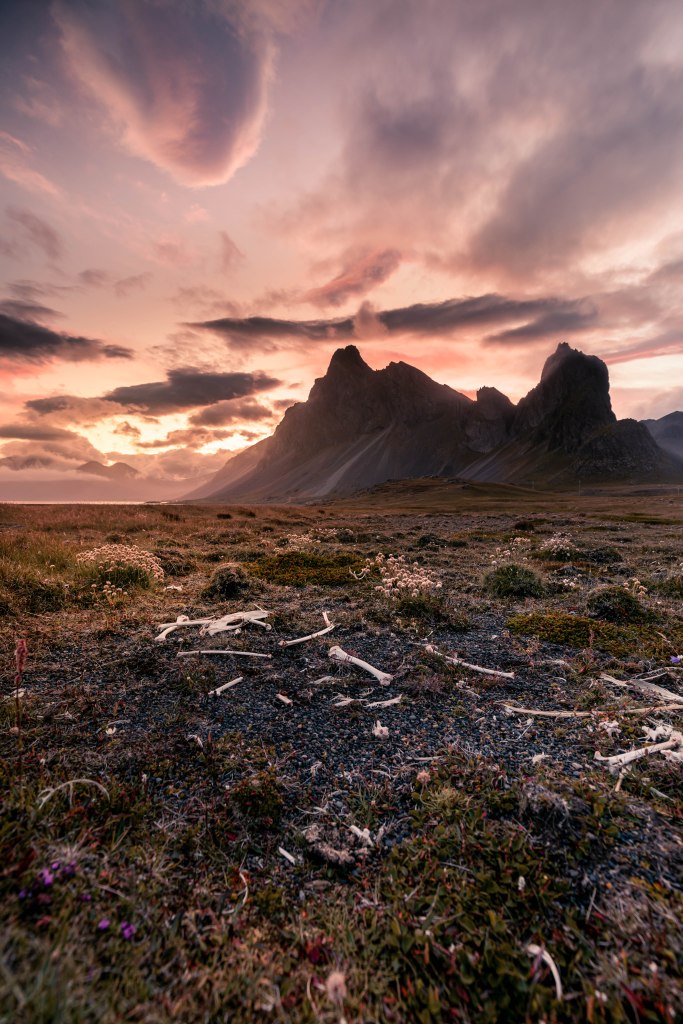
My photography is more influenced by artists, especially romantic, than by other photographers. In this sense, I would like to quote the German artist Max Beckmann (February 12, 1884 – † December 27, 1950):
„What matters most to me in my work is the ideality that lies behind the apparent reality. I seek from the given present the bridge to the invisible – similar to what a famous Kabbalist once said: „If you want to grasp the invisible, penetrate as deeply as you can – into the visible.“ For me, it is always a matter of grasping the magic of reality and translating that reality into painting. – Making the invisible visible through reality. – This may sound paradoxical – but it is really reality that forms the very mystery of existence!“
– Max Beckmann

Marcel Weber
Frankfurt, Germany
tales-of-the-north@gmx.de
© 2020 Marcel Weber – No reproduction, publication, or rehosting of any content on this site without express prior written permission. – Impressum
 Tales of the North